

Believe nothing. Assume everything.
One cannot help feeling that consuming one’s own urine as a tonic is a course of action marginally less advisable.

You wake up, pick up your phone, and you start scrolling. Then something grabs your attention, and you stop scrolling and wonder, is this even real?
Several years ago, videos online of events from real life were, to a large degree, something we could take as a source of truth. The cost of faking videos was simply too high for most.
But we already knew to take any kind of written text with a grain of salt, because that’s where the cesspool of human opinion showed up, and that has been a reality we have had to deal with all throughout history. History is written by the victors, as they say.
Today, however, everything that is online can be faked. My voice can be cloned, as can my likeness. Anyone can pretend to be me or you or anyone in the world. The cost of creating fake content is zero. And there is no way to tell the difference anymore.
Believe nothing
It is time to flip your epistemological stance. What you once considered digital evidence no longer implies truth. It only implies computational expenditure. A probabilistic truth in the vast ocean of endless information. Anything that can be faked will be faked.
So you start from zero trust. Not cynicism. Tactical nihilism.
Trust zero information by default. Not journalists, not governments, not scientists, not eyewitness videos, not even your own eyes or ears in real time. Not even your favourite AI.
Most people will pick a tribe and outsource their opinions and beliefs to someone they trust because this is the easy way out and has always been. If you become one of them, you will be farmed.
Believing nothing protects you from deception.
Assume everything
Believing nothing involves assuming that everything can be either true or false. But you need a reliable way to handle the explosion of possibilities without descending into chaos.
This is where critical thinking, probabilistic thinking, and game theory become your most important tools.
Instead of thinking about something as true or false, start treating every scenario as a spectrum of probabilities and try to understand what game the sharer is playing and what their incentive is.
You need to deliberately expand your mental models to encompass the full spectrum of what could be, no matter how improbable it might be.
This keeps you grounded, adaptable, and ready to pivot, turning overwhelming uncertainty into manageable decisions or deliberate indecision. Sometimes just being aware is enough. You do not have to have an opinion on everything in the world.
How to Apply This Mindset Daily
The key is to question everything through the lenses of probability and incentives.
Ask yourself
What’s the likelihood this is real, manipulated, or flat-out fake?
And what might the sharer gain from it?
This isn’t about paranoia, it’s about building resilience in a world you can’t trust.
What is the probability that...
Your friend won a lottery, and they message you about it on WhatsApp, and they want to give you money? Or that their account is hacked? Lottery wins are rare, hacks are common.
Your kid sends you a text from a friend’s phone saying they lost their phone and wallet, and asks if you can wire some money to your friend? Or is that a scammer? Family emergencies are classic scam tactics. Call them directly on a known number to confirm.
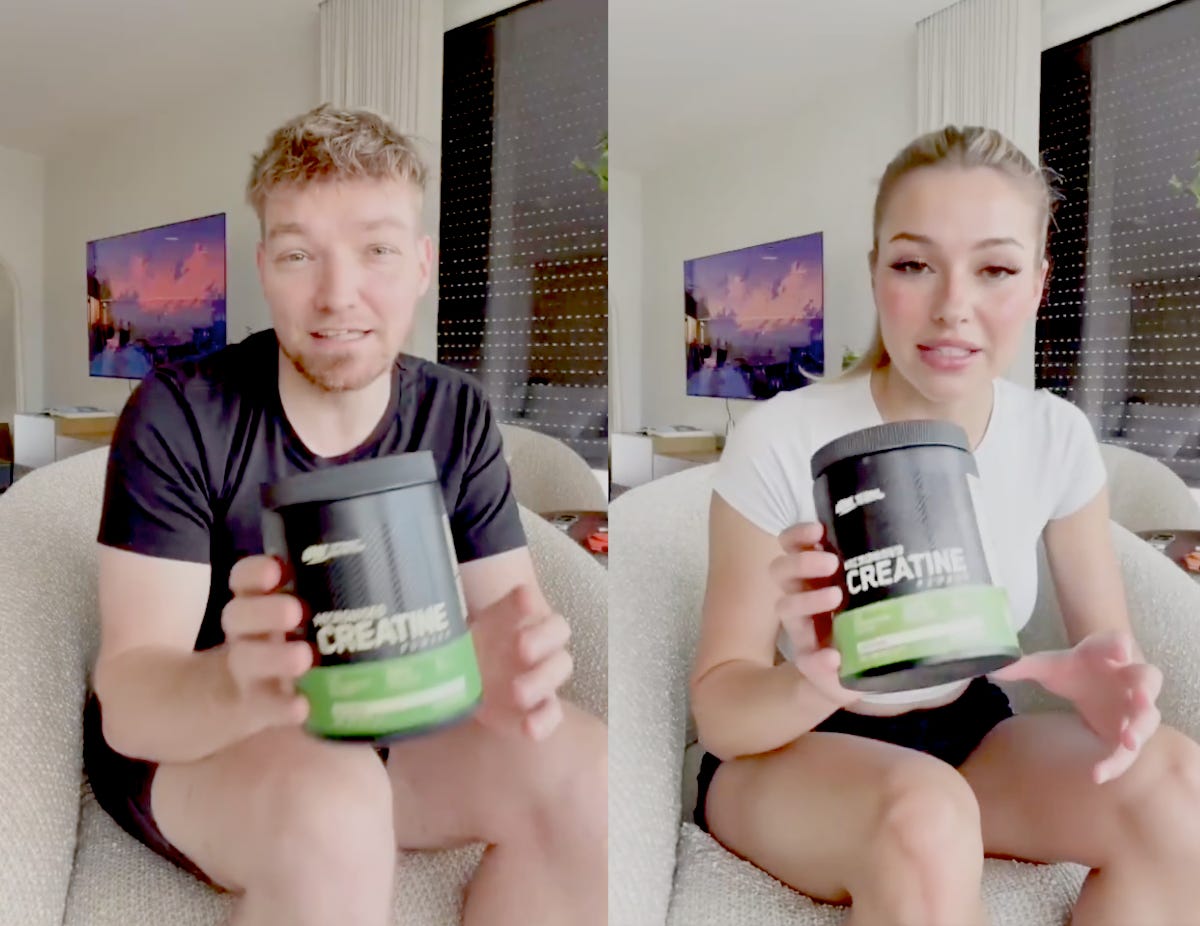
The video you just watched about a dog and a small kid in the corner, both looking ashamed, is real? Or was it generated to farm your attention for money because the poster makes money for each view? Cute animal videos go viral easily. AI-generated content is cheap to produce. Views generate money.
What game are they playing?
Are they trying to make money at any cost? Clickbait headlines are designed to maximise ad revenue, regardless of accuracy.
Are they trying to sell you on an opinion, and if so, what is the benefit of doing that? Think tanks publish reports favouring certain policies.
A viral social media post claims a celebrity has died, complete with photos and quotes from “sources”? Or that it’s a hoax spread for clicks, shares, and ad revenue?
Virality drives traffic, drive and revenue. Death hoaxes are low-effort ways to game algorithms.
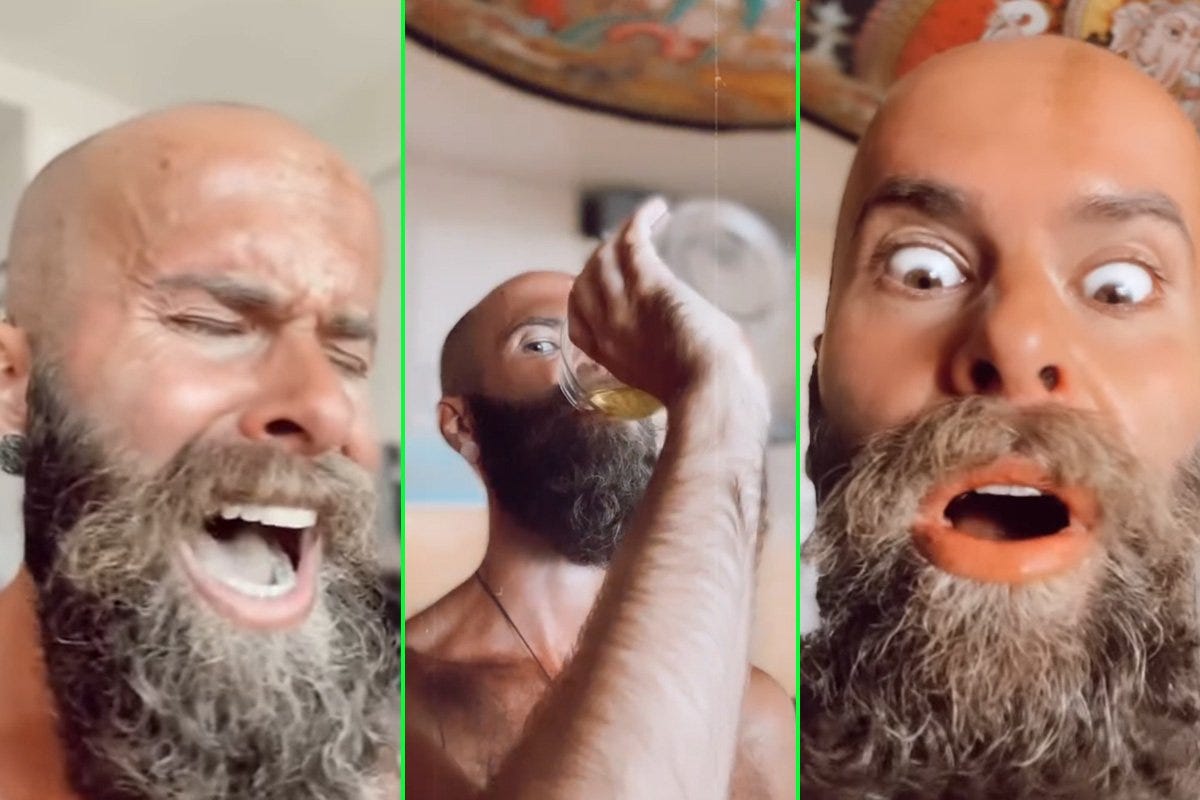
Wellness influencers often partner with brands or sell their own retreats. One cannot help feeling that consuming one’s own urine as a tonic is a course of action marginally less advisable.
Can AI be the arbiter of truth?
Not really. But by designing AI with truth-seeking in mind, it is more likely to give you answers that have a higher probability of being true.
This is, in fact, one of the most common uses of Grok on X, to verify the legitimacy of information. Did you take this claim of mine for granted, or did you question it? I actually have no idea.
According to Gapminder, AI is 85,9% correct in their worldview test with AI models from late 2024 - mid 2025. And humans score a whooping 23%.
It turns out that our knowledge of the world is rather less comprehensive than we like to suppose; probabilities, therefore, seem the more civilised alternative to dogmatic certainty.
Hey, great read as always. This resonates so much, especially for someone in AI. The 'tactical nihilism' you mention, paired with a 'probabilistic truth' approach... it's a huge shift. How do you see us practically implementing this zero-trust mindset day to day?